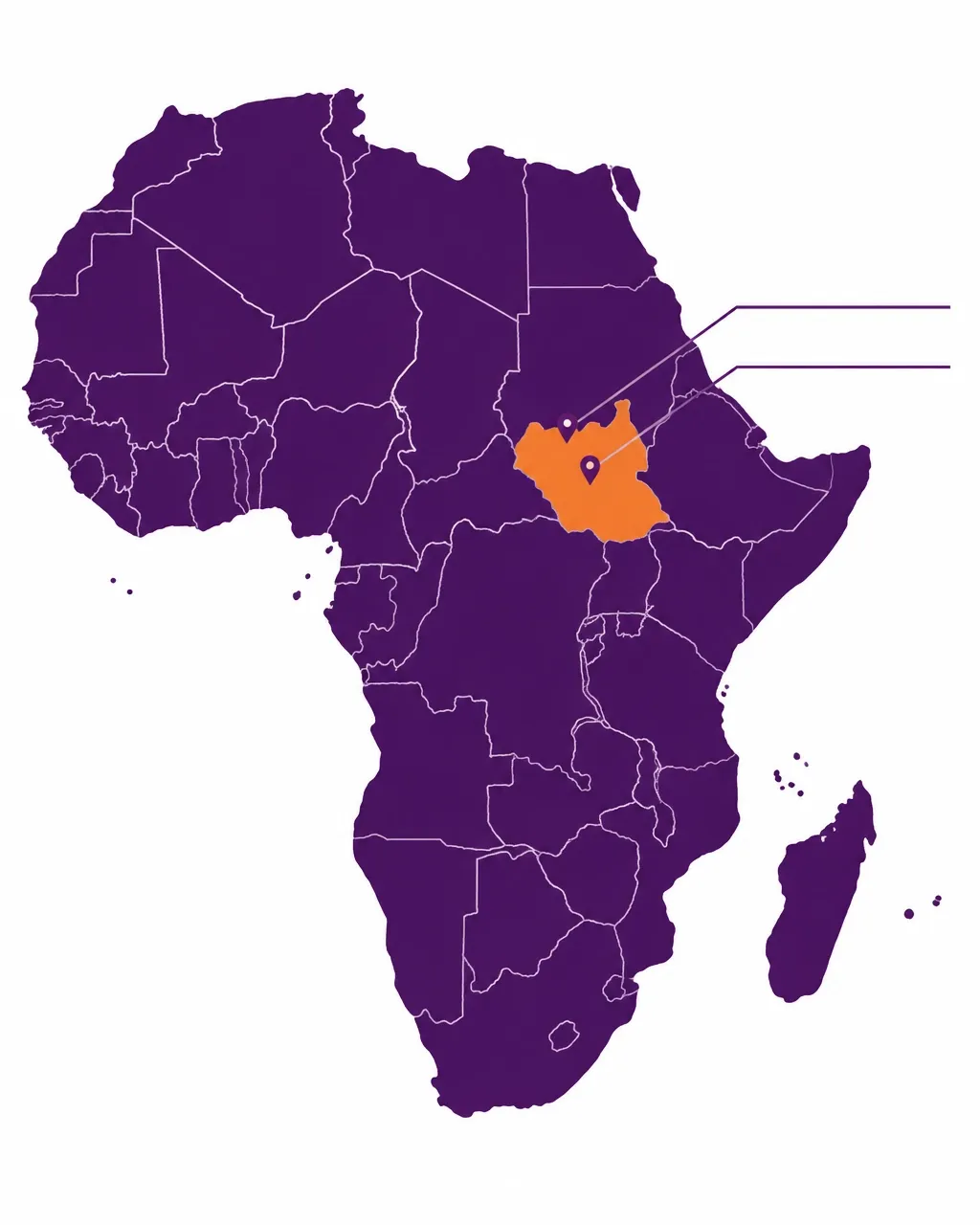
The region that is now South Sudan experienced two decades of civil war between 1983 and 2005. The conflict caused an estimated 2.5 million deaths and displaced nearly six million people, while destroying buildings, infrastructure, and livelihoods. After the 2005 peace agreement, communities faced the immense work of rebuilding education, agriculture, public services, and local economies.
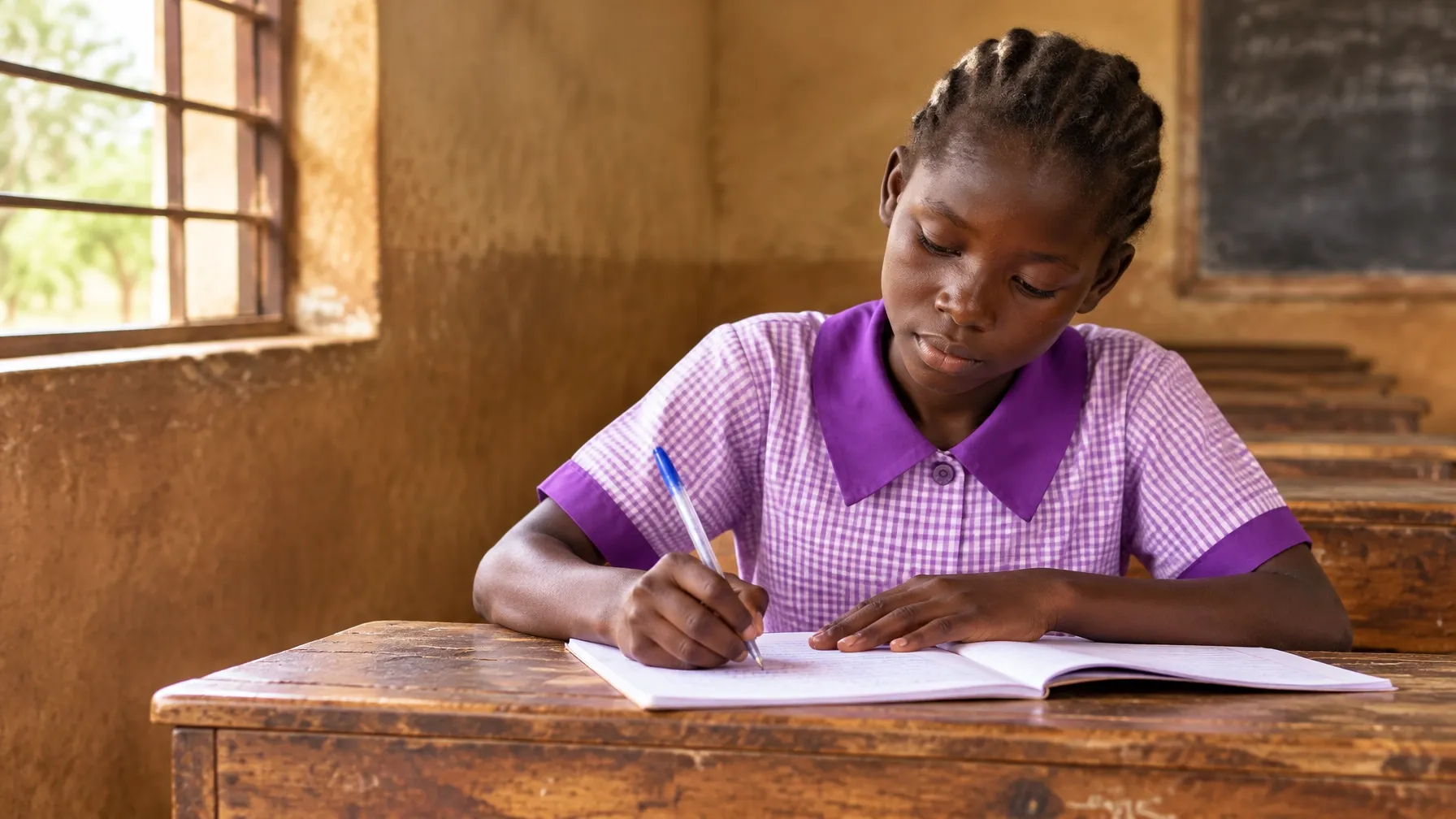
South Sudan became an independent country on July 9, 2011. The new nation inherited a deeply weakened education system. Access to schooling remains challenging, particularly for girls, whose opportunities can be constrained by poverty and early marriage.
A new civil conflict began in December 2013. Violence spread across the country, disrupted services and livelihoods, and forced millions from their homes. The 2018 revitalized peace agreement and subsequent political steps offered hope, though communities continue to face the lasting effects of conflict, displacement, food insecurity, disease, and limited infrastructure.
Despite these challenges, families and communities across South Sudan continue to support education and local development. The VAD Foundation works with local communities to support that commitment through educational opportunities and sustainable development initiatives.
Since fighting broke out in Sudan in April 2023, the ongoing conflict has forced millions from their homes. Many people, including refugees and South Sudanese returning from Sudan, have crossed into South Sudan seeking safety. UNHCR reported more than one million new arrivals by January 2025. The pressures of displacement add to communities’ existing needs for food, shelter, health care, and schooling.
The VAD Foundation responds where it can, including by helping displaced families access food and supporting children to enroll in school. We work to support refugees and host communities as needs arise.
For current displacement information, see UNHCR’s update on arrivals from the Sudan crisis.
For the story of the VAD Foundation and its milestones, visit About the Foundation and our timeline.